
Understanding Tokenisation: A Beginner's Guide for Fintech Enthusiasts
AF
What is Tokenisation?
In the world of fintech, tokenisation is a transformative process that enhances security and efficiency. At its core, tokenisation refers to the substitution of sensitive data with unique identifiers or "tokens." These tokens can be used in place of actual data, minimizing risk if intercepted.
This process is increasingly relevant in financial transactions, where protecting personal and financial information is paramount. By using tokens, businesses can ensure that sensitive details remain secure, even during data breaches.

How Does Tokenisation Work?
Tokenisation begins when a piece of sensitive data, such as a credit card number, is replaced with a randomly generated token. This token has no exploitable value, as it cannot be reversed to reveal the original information without the proper decryption mechanism.
The actual data is stored securely in a token vault, which is accessed only when necessary. This separation of data and token adds an extra layer of security, making it significantly harder for malicious actors to access sensitive information.

Benefits of Tokenisation in Fintech
Tokenisation offers numerous advantages, particularly in the fintech sector. Here are some key benefits:
- Improved Security: By keeping actual data separate from tokens, the chances of data breaches are greatly reduced.
- Enhanced Customer Trust: Knowing their data is securely protected, customers are more likely to engage with fintech services.
- Regulatory Compliance: Tokenisation helps businesses comply with regulations such as GDPR and PCI-DSS by minimizing the storage of actual sensitive data.
Common Use Cases for Tokenisation
Tokenisation is applied across various fintech applications. Here are a few common use cases:
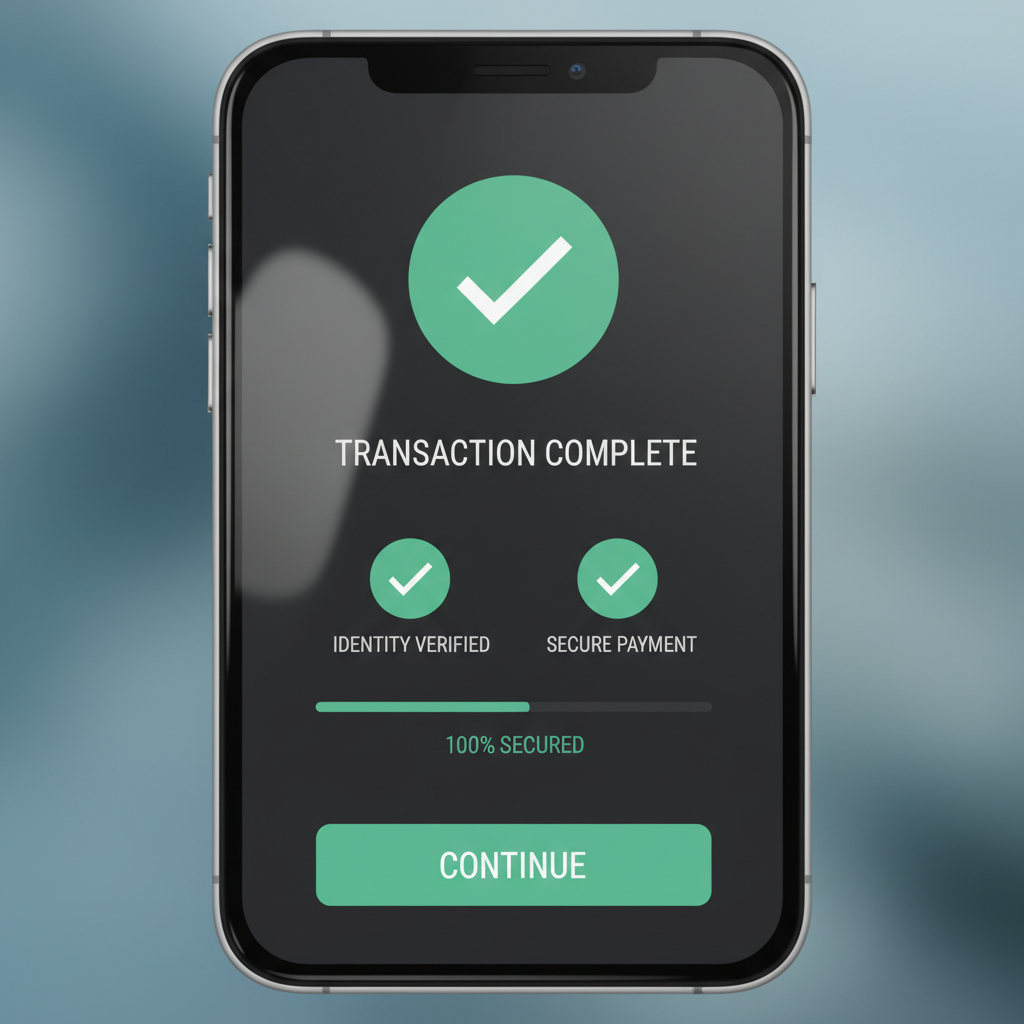
- Mobile Payments: Popular payment platforms use tokenisation to secure transaction data, ensuring safe mobile payments.
- Banking: Banks utilize tokenisation to protect customer account information, reducing the risk of fraud.
- Cryptocurrency: Tokenisation is employed to represent assets digitally, providing a secure method of exchange.
Challenges and Considerations
While tokenisation offers significant benefits, it is not without challenges. Implementing a robust tokenisation system requires careful planning and resources. Businesses must ensure their token vaults are secure and that access controls are strictly enforced.
Additionally, it's crucial to consider the scalability of the tokenisation solution, especially for businesses experiencing rapid growth. As fintech continues to evolve, the need for flexible and adaptable tokenisation solutions will only increase.

Future of Tokenisation in Fintech
As technology advances, tokenisation is expected to become even more integral to the fintech landscape. Innovations such as blockchain are likely to enhance tokenisation methods, providing even greater security and efficiency.
The future promises more sophisticated applications, potentially revolutionizing how transactions and data security are handled across the industry. Staying informed and adaptable will be key for businesses looking to leverage tokenisation effectively.
For fintech enthusiasts, understanding tokenisation is essential as it continues to shape the future of digital finance. By embracing this technology, businesses can unlock new opportunities while safeguarding their data and customers.