
Comprehensive Guide to Tokenisation for Businesses in Greater London
AF
Understanding Tokenisation
Tokenisation is a security process that converts sensitive data into a non-sensitive equivalent called a token. This method is particularly beneficial for businesses in Greater London, as it enhances data security, reduces fraud risk, and ensures compliance with regulations like GDPR. By replacing sensitive information with tokens, businesses can operate more securely and confidently.
In the bustling business environment of Greater London, safeguarding customer data is paramount. Tokenisation offers a robust solution by ensuring that the original data is stored securely and only accessible by authorised systems. This significantly reduces the risk of data breaches.
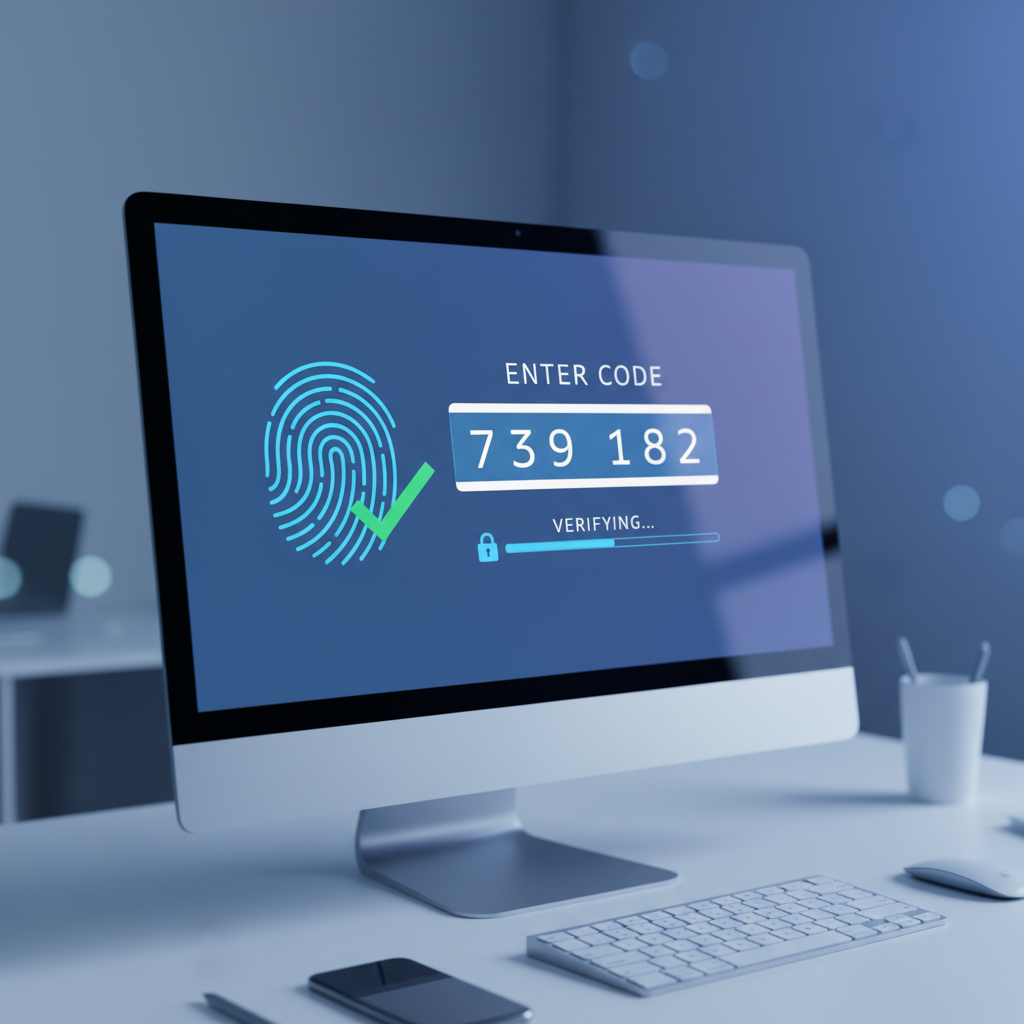
How Tokenisation Works
Tokenisation involves substituting sensitive information with a randomly generated token. The original data is stored in a secure vault, and the token is used in its place for processing transactions. Only authorised systems can map the token back to the original data, ensuring that sensitive information remains protected.
This process is particularly useful for industries that handle large volumes of sensitive data, such as finance, healthcare, and retail. By implementing tokenisation, businesses can maintain compliance with industry standards and protect customer information.

Benefits for Businesses
Implementing tokenisation offers numerous benefits, including:
- Enhanced Security: By tokenising sensitive data, businesses can protect against data breaches and cyberattacks.
- Regulatory Compliance: Tokenisation helps businesses comply with data protection regulations, reducing legal risks.
- Customer Trust: Ensuring data security builds customer confidence and enhances brand reputation.
Additionally, tokenisation can improve operational efficiency by streamlining data management processes. This is particularly advantageous for businesses in the fast-paced Greater London market.

Implementing Tokenisation
To implement tokenisation, businesses should start by assessing their current data management practices. Identifying areas where sensitive data is stored and processed will help determine where tokenisation can be applied most effectively.
Next, businesses should choose a reliable tokenisation provider. It's crucial to select a provider with a proven track record and robust security measures. Working with experts ensures that the implementation process is smooth and that data remains secure at all times.
Challenges and Considerations
While tokenisation offers significant benefits, businesses must also be aware of potential challenges. Integrating tokenisation with existing systems can be complex and may require custom solutions. Additionally, ongoing management and monitoring are essential to maintain security and compliance.
Businesses should also consider the costs associated with implementing tokenisation. While the initial investment may be substantial, the long-term benefits of enhanced security and compliance often outweigh the costs.
In conclusion, tokenisation is a powerful tool for businesses in Greater London looking to safeguard sensitive data and maintain compliance. By understanding the process and benefits, companies can make informed decisions and implement effective data protection strategies.